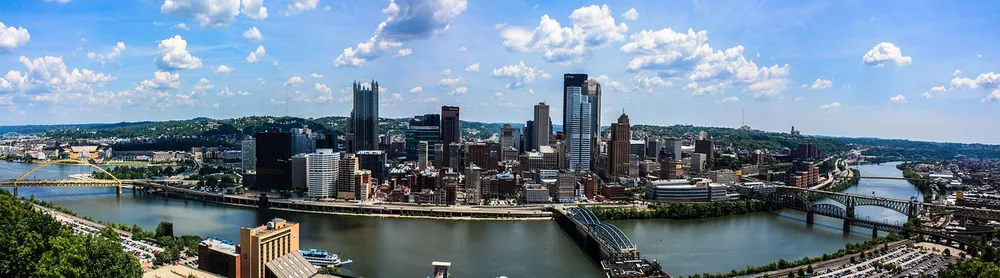
Casinos can reshape the neighborhoods around them through new jobs, visitor spending, and public improvements. The scale and durability of those effects depend on the legal structure of the casino, the agreements made with local governments, and how the city plans for growth.
There is no single model for how a casino and a host city work together. Commercial casinos, tribal casinos, and racinos all operate under different rules. Commercial casinos and racinos are generally governed by state licensing, tax, and oversight frameworks, while tribal casinos are governed by federal Indian gaming law and tribal-state compacts. This article explains the main ways casinos affect host cities and what makes those partnerships succeed or strain.
How do casinos become part of a city?
Commercial casinos and racinos typically enter a community only after a state authorizes gaming and a specific site or license is approved. Tribal casinos follow a separate process under federal Indian gaming law and tribal-state compacts. In states that allow commercial casinos, a state gaming commission or control board typically reviews applicants, conducts background checks, and sets conditions for operation.
Local governments often negotiate separate host community agreements with the operator. These agreements can cover payments to the city, road improvements, public safety costs, and commitments to hire local workers. The exact process differs by state and sometimes by city, so residents and officials should review their own state's statutes and regulations.
For more on the regulatory backdrop, see understanding casino regulation in the United States.
What economic effects do casinos have on host cities?
Casinos can attract visitors from outside the area, and those visitors spend money on lodging, food, entertainment, and transportation, not just on the casino floor. That spending can support jobs in restaurants, hotels, retail, and services, and can generate tax revenue for local and state budgets.
Employment is one of the most visible effects. Casinos generally require workers in gaming operations, security, food service, maintenance, and administration. The number of jobs and the share filled by local residents depend on hiring practices, training programs, and the size of the facility.
Industry associations such as the American Gaming Association publish research on gaming's economic footprint, but local conditions vary. Tourism is another channel. A casino resort with a hotel, convention space, or entertainment venue can extend visitor stays and bring customers to nearby businesses. Those spillover effects are stronger when the casino is part of a broader entertainment district rather than an isolated facility.
However, economic benefits are not automatic. If a casino mostly draws customers from the same region, it may shift spending from other local businesses rather than create new economic activity. Cities therefore often study the local economy before a casino opens and continue tracking data afterward. More background is available in how casinos fit into the local economy.
How do host communities share in casino revenue?
The way a city receives money from a casino depends on state law and the type of gaming. Commercial casinos commonly pay state taxes and local fees, and a portion of that revenue may be returned to the host municipality. Some states dedicate gaming tax revenue to property tax relief, education, infrastructure, or problem gambling services.
Tribal casinos operate under a different legal framework. Under the Indian Gaming Regulatory Act of 1988, Class III gaming such as slot machines and table games requires a tribal-state compact approved by the Secretary of the Interior. Those compacts can include payments to the state, and in some cases to local governments, but the terms vary widely. The National Indian Gaming Commission oversees tribal gaming at the federal level.
Some local governments also negotiate separate agreements with tribal operators even though the state is the formal counterparty to the compact. These local agreements might address road maintenance, emergency services, or water use, but they cannot override the terms of the IGRA compact.
Racinos, which combine casino-style gaming with a horse racetrack, may share revenue with racing purses, breeders, or local governments as set by state statute. Because every state writes its own formula, there is no nationwide answer to how much a host city receives.
What infrastructure and community development changes often follow?
Casino projects can lead to upgrades in roads, water and sewer lines, transit access, and public safety facilities. A host community agreement may require the operator to pay for a traffic signal, add turning lanes, or fund additional police and emergency services to handle increased demand.
Some cities use casino revenue to support parks, libraries, housing programs, or historic preservation. These investments are rarely guaranteed; they depend on the language of local agreements and on how city leaders choose to allocate funds. A modern resort-style casino may also include non-gaming amenities such as meeting space, entertainment venues, and restaurants, which can change how a downtown or commercial district develops.
Public-private partnerships sometimes play a role. A city might issue bonds for a parking structure or road project and pledge a share of gaming-related tax revenue to repay them. Such arrangements require careful financial review because casino revenue can vary with the economy.
For a closer look at how resort properties affect surrounding areas, see the growing role of resorts in local communities.
What challenges can casinos bring to host cities?
Increased vehicle traffic is a common concern, especially around entrances, parking areas, and nearby intersections. Casinos may also raise demand for public safety services, including police calls and emergency medical responses, though the effect varies by location and facility size.
Problem gambling is another issue that host cities and operators are expected to address. Many states require casinos to fund responsible gambling programs and to post information about the national problem-gambling helpline, 1-800-GAMBLER, and related resources from the National Council on Problem Gambling. These resources should be accessible to patrons and employees.
Some communities worry that a casino will draw customers away from existing restaurants, bars, or entertainment venues. Others raise concerns about housing costs and neighborhood character if the casino attracts a large workforce from outside the area. Competition from other casinos in the region can also affect host city budgets. If a new facility opens nearby, customer traffic and tax payments to the original host may decline. Cities that depend on gaming revenue often try to diversify their local economy to reduce that risk.
These challenges do not mean a casino is automatically harmful, but they do require active planning, enforcement, and ongoing communication between the operator and the city.
How can cities and casinos plan for responsible growth?
Strong host agreements are one of the most effective tools. A well-drafted agreement can set measurable goals for local hiring, require regular traffic studies, create a community advisory committee, and establish a fund for problem gambling services or other public needs.
Transparency is also important. Cities can publish annual reports on gaming revenue, employment, and public safety data, and hold public meetings where residents can ask questions. Operators can provide regular updates on hiring, procurement, and infrastructure projects. State regulators often maintain public records of enforcement actions and financial data, which can help local officials monitor compliance.
Responsible gambling measures are part of the social infrastructure. Operators can train employees to recognize signs of problem gambling, provide self-exclusion programs, and support local treatment and prevention services. State regulators often require these elements as a condition of licensure.
Technology is changing how casinos operate and how they interact with host communities. For example, cashless systems, surveillance tools, and data analytics can affect staffing, security, and customer behavior. An overview is available in how technology is changing casino operations.
What should local leaders and residents watch for?
Because no federal law dictates how a casino must share revenue with a host city, nearly all of the important details are set at the state and local level. That means residents should follow state gaming commission meetings, city council votes on host agreements, and any tribal-state compact negotiations that may affect their area.
Useful questions to ask include: How will traffic and public safety impacts be measured? Will local residents have a meaningful role in oversight? What happens if the operator misses hiring or payment commitments? Are responsible gambling funds protected from being shifted to other uses? The answers should be available in public documents, not just in marketing materials.
Before a casino opens, cities can collect baseline data on traffic counts, police calls, housing prices, and business activity. Comparing that baseline with post-opening data allows local leaders to assess real impacts rather than relying on predictions. Public dashboards or annual reports make that information easier for residents to follow.
The following list outlines common elements of a host community agreement:
- Upfront or annual payments to the host city
- Traffic and road improvement commitments
- Public safety staffing or equipment funding
- Local hiring and purchasing targets
- Responsible gambling and problem gambling services
- Regular reporting and community meetings
- Enforcement and remedies for missed obligations
Comparing casino models and local partnerships
| Framework | Who is involved | Typical community focus | Oversight |
|---|---|---|---|
| Commercial state license | State regulator, city or county, operator | Taxes, fees, infrastructure, local hiring | State gaming board and local agreements |
| Tribal-state compact (Class III) | Tribe, state, federal government | Compact payments, services, regional impacts | NIGC and state, per compact |
| Racino expansion | State racing and gaming regulators, racetrack owner, local government | Racing preservation, local jobs, facility upgrades | State racing/gaming agencies |
A long-term view for casinos and their neighbors
The relationship between a casino and its host city is not a one-time event. Roads, housing, tourism, and public services can continue to change years after opening, especially if the facility expands or if new competitors enter the region.
Cities that treat the casino as part of a broader economic and community plan—rather than as a single revenue source—tend to have clearer expectations and better tools for managing problems. That means updating agreements, reviewing data, and keeping responsible gambling resources visible and well funded.
For a wider look at the industry, American Casino Daily's Industry section covers the economics and operations that shape these decisions.