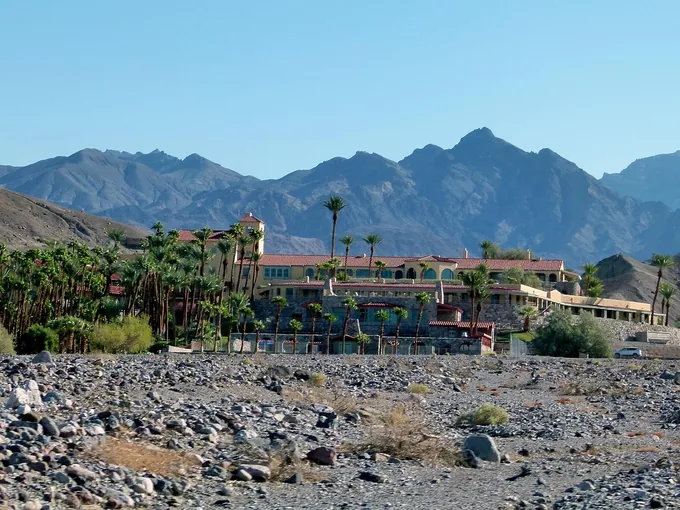
Casinos are no longer just rooms of slot machines and table games. Many properties now operate as resorts with hotels, conference space, restaurants, entertainment venues, pools, spas, golf courses and even outdoor adventure programs.
That shift matters for host communities. Non-gaming amenities can draw visitors who may never gamble, lengthen overnight stays, increase local spending and create a wider mix of jobs. The exact shape depends on state law, tribal compacts, market size and local partnerships.
What makes a modern casino resort different from a casino floor?
A traditional casino floor focuses on gaming revenue. A resort property layers lodging, food and beverage, live entertainment, retail, recreation and meeting space on top of that core. The change is not just cosmetic; it changes the customer base, operating costs and community footprint.
In some states, casino-style gaming is permitted only at licensed facilities that may also be required to include certain non-gaming amenities as part of their licensing or development agreements. In tribal gaming, Class III facilities generally operate under a tribal-state compact, and non-gaming development is often part of broader tribal economic goals. The National Indian Gaming Commission regulates tribal gaming, while commercial properties follow state-by-state casino regulation. For a closer look at the property design and operations, see inside the modern casino.
Because there is no federal casino license, each state sets its own rules for commercial casinos, and tribes operate under a separate federal framework established by the Indian Gaming Regulatory Act of 1988. That split helps explain why resort development looks different from one region to another.
Common non-gaming amenities
- Full-service hotels and extended-stay lodging
- Restaurants ranging from quick service to fine dining
- Live performance venues, theaters and nightlife
- Museums, galleries and public art installations
- Spas, fitness centers, pools and wellness programs
- Outdoor recreation such as golf, hiking access, water sports and event space
How do hotels and dining strengthen local tourism?
Hotels attached to a casino resort can lengthen visitor stays. A traveler who might otherwise pass through for a few hours may stay overnight, eat multiple meals and plan daytime activities. That spending reaches nearby businesses, from transportation providers to shops.
Dining is especially visible. Resort restaurants can create demand for local farms, bakeries, beverage distributors and specialty food producers. Some properties contract with local suppliers, although procurement practices vary widely by ownership and management. The broader effect depends on how connected the resort is to the local economy, a topic covered in how casinos fit into the local economy.
Local tourism agencies also play a role. A resort with meeting space can host conferences, trade shows and weddings, bringing groups that fill hotel rooms and restaurants during off-peak periods. In some cases, the resort works with convention and visitors bureaus to market the broader region, not just the casino floor.
Outdoor attractions add another layer. Golf courses, hiking access, water activities or event spaces can draw visitors who are traveling for recreation rather than gambling. Those guests may stay longer, spend in the surrounding town and return in different seasons.
What role do arts, entertainment and outdoor experiences play?
Entertainment venues can draw audiences who do not gamble. Concerts, comedy, theater and family shows often sell tickets independently of casino play. Those visitors may spend on parking, dinner and lodging even if they never enter the gaming area.
Arts and outdoor features can also serve local residents. Some resorts host public festivals, art walks, fitness events or nature trails. Because these uses are not always tied to gaming, they can make a property feel like part of the community rather than a separate building. State and local approvals may include specific requirements for public access, traffic management or environmental review.
Local artists and cultural organizations sometimes benefit through partnerships, commissioned works or performance opportunities. These arrangements are often negotiated as part of a property's community outreach or public art program, and they can give a resort a local identity that a generic hotel tower would lack.
Technology also shapes this shift. Mobile check-in, digital event booking and venue management systems help resorts run hotels and entertainment operations alongside gaming. For more on that, see how technology is changing casino operations.
How can resort investments support small businesses and local suppliers?
Resort spending can ripple outward. A hotel needs linens, toiletries, furniture, maintenance, landscaping, security and professional services. Restaurants need ingredients and equipment. Entertainment venues need production, ticketing and marketing support. Many of these needs can be supplied by local companies if the resort chooses or is required to buy locally.
Some jurisdictions negotiate community benefits agreements or local hiring goals. In tribal gaming, revenues often support tribal government services, education, health care and infrastructure, not just business profits. These uses can strengthen the surrounding region, especially in rural areas. However, benefits are not automatic. A resort that sources most goods from national distributors and fills many jobs from outside the area may have a smaller local impact.
Procurement policies can make a difference. Some properties hold vendor fairs, set aside contracts for small businesses or work with local farms and craft producers. Others rely on corporate supply chains. Reviewing a resort's community commitments, where they exist, can tell residents more than an opening ceremony does.
The linkages between a resort and nearby businesses also depend on geography. In an isolated area, a large resort may be the main customer for local suppliers; in a dense urban market, it may be one of many buyers. Both situations create opportunities and risks for small firms.
What kinds of jobs and career paths emerge beyond gaming?
Resort expansion creates positions that do not involve dealing cards or operating slot machines. Hotel management, culinary arts, event planning, marketing, information technology, facilities maintenance, security, human resources and finance are common. Some jobs require technical training; others offer entry-level pathways with advancement into supervisory roles.
The U.S. Bureau of Labor Statistics publishes occupational information for hospitality, food service, entertainment and gaming industries. Local workforce boards and community colleges sometimes partner with resorts on training programs, although the depth of those partnerships varies by state and property.
For workers, a diversified resort can mean more stable employment across seasons and economic cycles. Gaming revenue can fluctuate, but a hotel or event calendar may continue to bring guests. A property that builds convention space, outdoor recreation or entertainment can hire for jobs that are less tied to the ups and downs of gaming activity.
Career paths may also be more varied. An entry-level housekeeping or banquet server job can lead to supervisory roles, while culinary graduates may move from a resort restaurant to regional management. These pathways are not guaranteed, but they are more likely in a full resort than in a gaming-only facility.
Traditional casino vs. full-service resort
| Dimension | Traditional casino property | Full-service resort property |
|---|---|---|
| Primary visitor draw | Gaming floor | Mix of gaming, dining, entertainment, lodging and recreation |
| Length of stay | Often shorter; may be a day trip | Often overnight or multi-day |
| Jobs beyond gaming | Limited; mostly gaming and basic food/beverage | Broader: hotel, culinary, event, facilities, wellness, outdoor recreation |
| Local supplier links | Can be narrow | Wider potential if procurement includes local businesses |
| Community presence | May feel isolated from daily life | Can host public events and non-gaming visitors |
What should local officials and residents watch for?
Non-gaming amenities can bring benefits, but they also raise practical questions. Traffic, parking, water use, noise and public safety need planning. Large hotels and entertainment venues can strain infrastructure if local government and the developer do not coordinate.
Residents may ask whether the resort is meeting local hiring commitments, buying from local businesses, and paying its share of costs for roads or emergency services. In some states, public meetings and local development agreements provide a way to track these obligations. Tribal projects follow a different path under federal law and tribal sovereignty; the NIGC and the Bureau of Indian Affairs are relevant federal agencies for tribal gaming and land matters.
Problem gambling remains an important consideration even as resorts become less gaming-centric. Expanded amenities can draw people who might not otherwise be near a casino, so visible responsible gambling resources matter. The National Council on Problem Gambling provides information at ncpgambling.org, and the national problem-gambling helpline is 1-800-GAMBLER. Resorts can support this by training hotel and restaurant staff to recognize signs of gambling harm and by keeping help materials available beyond the gaming floor.
Environmental and land-use questions also deserve attention. A resort may need water for golf courses or pools, energy for large buildings, and land for parking. Local planning processes can address these impacts, but residents often need to participate to raise concerns.
What the resort shift means for host communities over time
The move beyond the casino floor does not erase gaming's role, but it changes how a property interacts with its surroundings. A resort with strong hotels, dining, arts and outdoor programs may be more resilient when gaming demand softens and more useful to residents who never place a bet.
Local officials, business owners and job seekers can evaluate these projects by asking the same questions: What is being built besides a casino? Who will use it? Which local suppliers and workers will benefit? What public costs will be created? The answers are often found in licensing documents, tribal-state compacts, development plans and community meetings rather than in marketing materials.
Understanding the regulatory framework helps too. Commercial casinos operate under state licensing, while tribal gaming follows federal law and compacts. Readers can also explore casinos and the cities that host them.
Above all, the resort trend encourages a broader look at what a casino can be: not an isolated gambling hall, but a multi-use venue that may anchor tourism, support local enterprise and create non-gaming career paths while still carrying responsibilities to prevent gambling harm.